
From doomscrolling to hopescrolling
MEDICINAL MEDIA + SOLUTIONS JOURNALISM NETWORK HEAL FELLOWSHIP Illustrations by Jon McCormack
by Tariq Lawal
As a hesitant Gen Z media consumer, I can't help but notice that so much of what we see on social media these days is negative — or at least uninspiring — and positive, helpful content is harder to come by organically.
When tough news happens, our feeds are full of hot takes and nonstop notifications. Unfortunately, that tends to drown out most of the good news, interesting discoveries, moments of wonder that are also happening every day, all over the world.
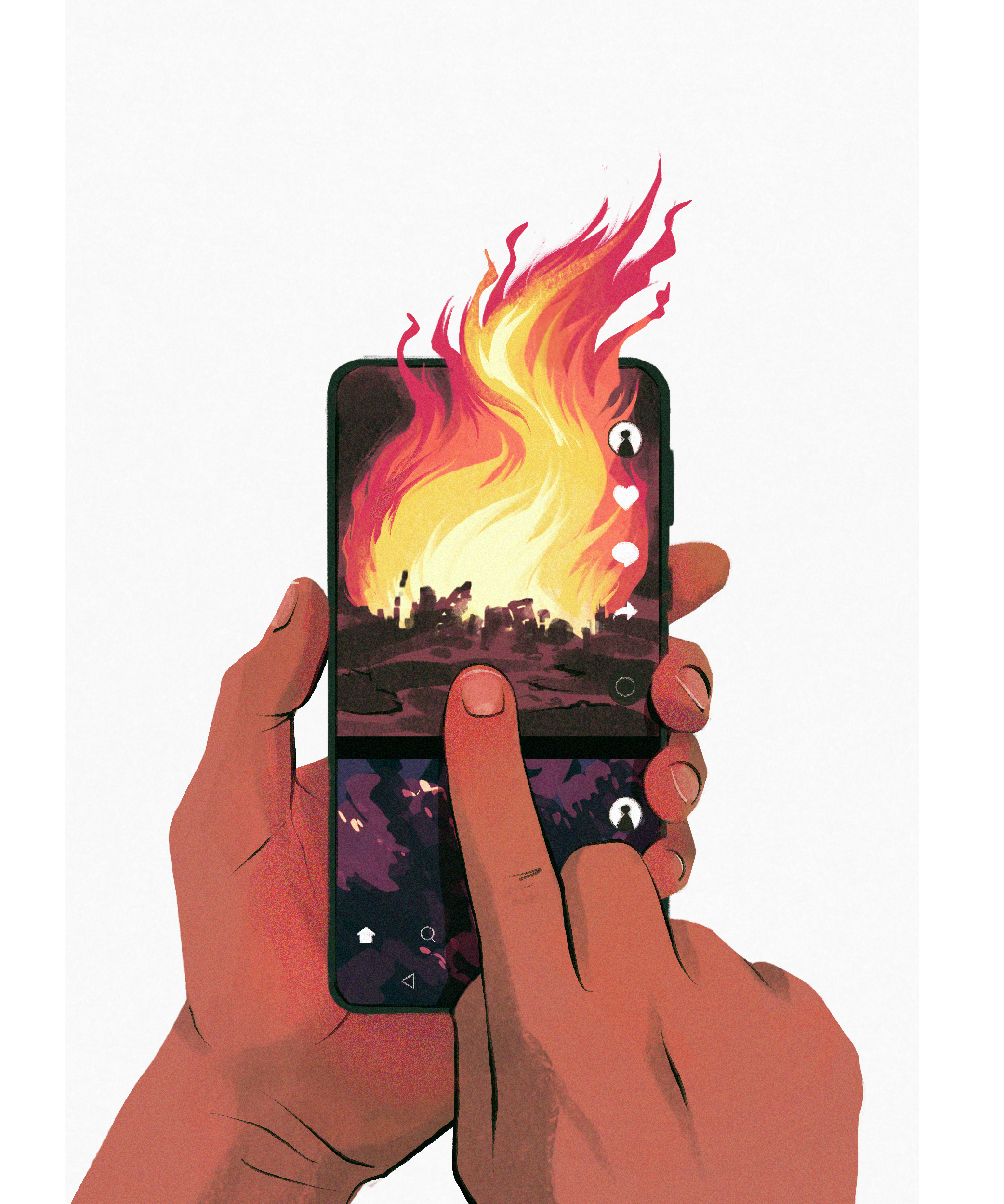
Doomscrolling is the act of excessively consuming negative content, fueling a looming sense of doom and gloom. We tend to instinctively notice more negatives than positives, in part because social platforms employ algorithms designed to capitalize on human tendencies. In psychology, this is called the “negativity bias,” and we fall prey to it more than we might think.
When we’re constantly inundated with distressing information, the world can feel more intense and more dangerous than it really is. This phenomenon is known as “Mean World Syndrome.” It warps our perspective by rewiring our brains, causing heightened anxiety that can affect how we interact with the world.
For me and many of my peers, doomscrolling was exacerbated during the COVID pandemic lockdown. Separated into pods, we couldn’t engage in real-world interactions with friends and loved ones. Many people spent hours a day tracking virus updates and death tolls, then watching funny animal videos to help get our minds off the terrifying global situation on the ground.
Years later, with the world (sort of) back to normal, this unhealthy routine has stuck with us — and we can’t (or won’t) give it up. According to aPew Research survey, four in ten teens ages 13 to 17 self-report to be online "almost constantly.” That’s a lot of time spent receiving unnecessary updates that fuel stress and pessimism.
What if doomscrolling could be replaced with something much more fulfilling and much less damaging to your mental health? In fact, it can even be healthy in the right dose.
Research suggests heavy or problematic social media use is associated with poorer emotional wellbeing, including anxiety, depression, and loneliness. It is difficult to think the world around you is wonderful and worth engaging with when you just watched seven brutal crime videos and back-to-back updates about a possible collapse of the global order.
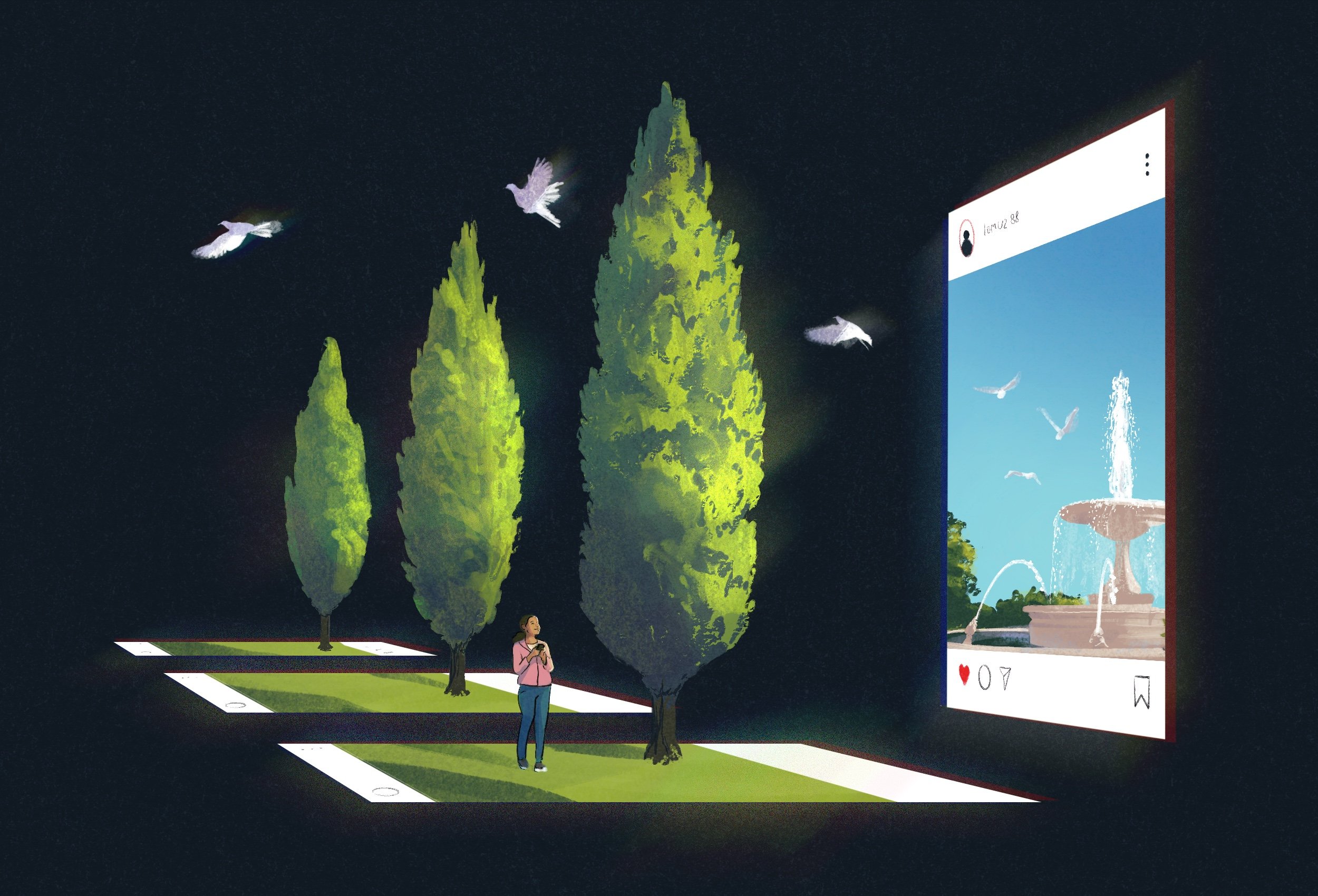
Hopescrolling is the act of intentionally consuming amusing content and positive news. One expert — Kim Penberthy, Professor of Psychiatry and Neurobehavioral Sciences at the University of Virginia — refers to it as “kindness scrolling” because, she says, “hope is hard to define.” It is the opposite of doomsrolling, as it boosts our mood and even makes us prone to pronoia instead of paranoia. It’s an alternative that reminds us that there is a beautiful world out there to explore and actively engage with.
Penberthy explains that “decades of psychophysiology research” shows that perceptions of positive things like generosity and kindness activate hormones that promote feelings of connectedness and safety. “They’re good for us. They’re good for our body. Our body is saying, ‘Oh, you can relax here. You’re safe. This is good.’ And when we do that over time, it is more helpful. We feel more positive, we are more relaxed, our stress is reduced, and thus our stress hormones.”
Kristin Slyne, PsyD, neuropsychologist with Hartford HealthCare explained that our brains are “designed to zero in on danger, even if it’s on a glowing screen instead of in a jungle.” We receive little hits of dopamine, tied to our brain’s reward center, with every post. So the more you scroll, the more your stress system is activated. “The amygdala — the part of the brain that processes fear and other emotions — goes into overdrive, and that triggers a release of cortisol,” Dr. Slyne added. High cortisol can negatively impact your mood, sleep, and immune system.
When you stop (or even reduce) the scroll, your brain and stress hormones can calm down. Dr. Slyne added, “When those stress hormones fall, your prefrontal cortex — the part of the brain that helps you focus and make decisions — can take back control from the amygdala.” says Dr. Slyne.
Dopamine pathways can reset, which can lead to improved mood and concentration. “Your brain stops bracing for disaster, and starts working the way it should.”
The benefits of intentional positive content consumption are backed by research. According to the Solutions Journalism Network, a 2017 study by the Institute for Applied Positive Research found that solutions-oriented reporting made people feel less anxious, more energized, and more connected to their community. Audiences also reported more willingness to talk about issues, collaborate with others, and hold officials accountable for change.
That shift starts with what you choose to consume — and how much. As someone who likes to stay updated on current events, I know it can feel unsettling when you’re not following the news. But studies have shown that excessive news consumption leads to believing the world is worse than it actually is. The rise of algorithm-driven platforms has turned attention itself into a valuable commodity, and due to profit incentives in the attention economy, mainstream news outlets often prioritize stories they believe will keep audiences glued to their channels.
Setting time limits for your daily news consumption is one of the simplest, and most encouraged, changes you can make.
Young people are already figuring this out on their own. Ananya Reddy, a teenager from Texas, consumes “hopecore” to help get her mind off current events that distress her. Like many high school students, upcoming college applications – and all the expectations – can cause stress. Ananya watches videos on how to prepare a good application, then switches to cinematic “hopecore”-style videos and reels of the Colorado Mountains. To her, this balances it out: a bit of not-so-uplifting videos about college admissions, then the positive.
“Hope-scrolling gives a more balanced view of the world. I think the best approach is to consume information in moderation. It is important to have doses of positive content to stay grounded in the beautiful things happening in our society. At the same time, that shouldn't be an escape from the unglamorous realities,” Reddy says.
Reddy is part of a growing Gen Z movement called ”hopecore,” which is content characterized by feel-good visuals and positive messaging, often accompanied by uplifting or emotionally stirring tracks. It’s designed to counter the growing disillusionment among our generation of doomers who bask in our despair. Sometimes the clips stir up nostalgia because it’s easy to romanticize a time we’ve never experienced. To balance the content you get recommended, you can search for “hopecore” or “motivational” on TikTok. Then engage with all the videos that come up to teach the algorithm you want more of that and less content that sends you spiraling.
But individual feed-curation only goes so far. To extend that reach, some young people are organizing around the problem itself. The LOG OFF Movement, co-founded by Emma Lembke and Clara Wasserman, addresses tech addiction among young people and promotes intentional use of social platforms. I’m personally involved with this movement, and credit the community with helping sustain my own shift toward more positive digital habits. Being part of this movement has helped my journey because other young people I’m in community with are constantly modeling how to better navigate the digital world.
Another form of hopescrolling is intentionally seeking out stories of people making a tangible difference. From Ugandan activist and UNICEF Goodwill Ambassador Vanessa Nakate, who is mobilizing climate action, to TIME Kid of the Year Tejasvi Manor, who is tackling cybercrime and helping protect senior citizens in the digital world, there are countless people – particularly young people – taking the initiative to bring hope and positive change to humanity.
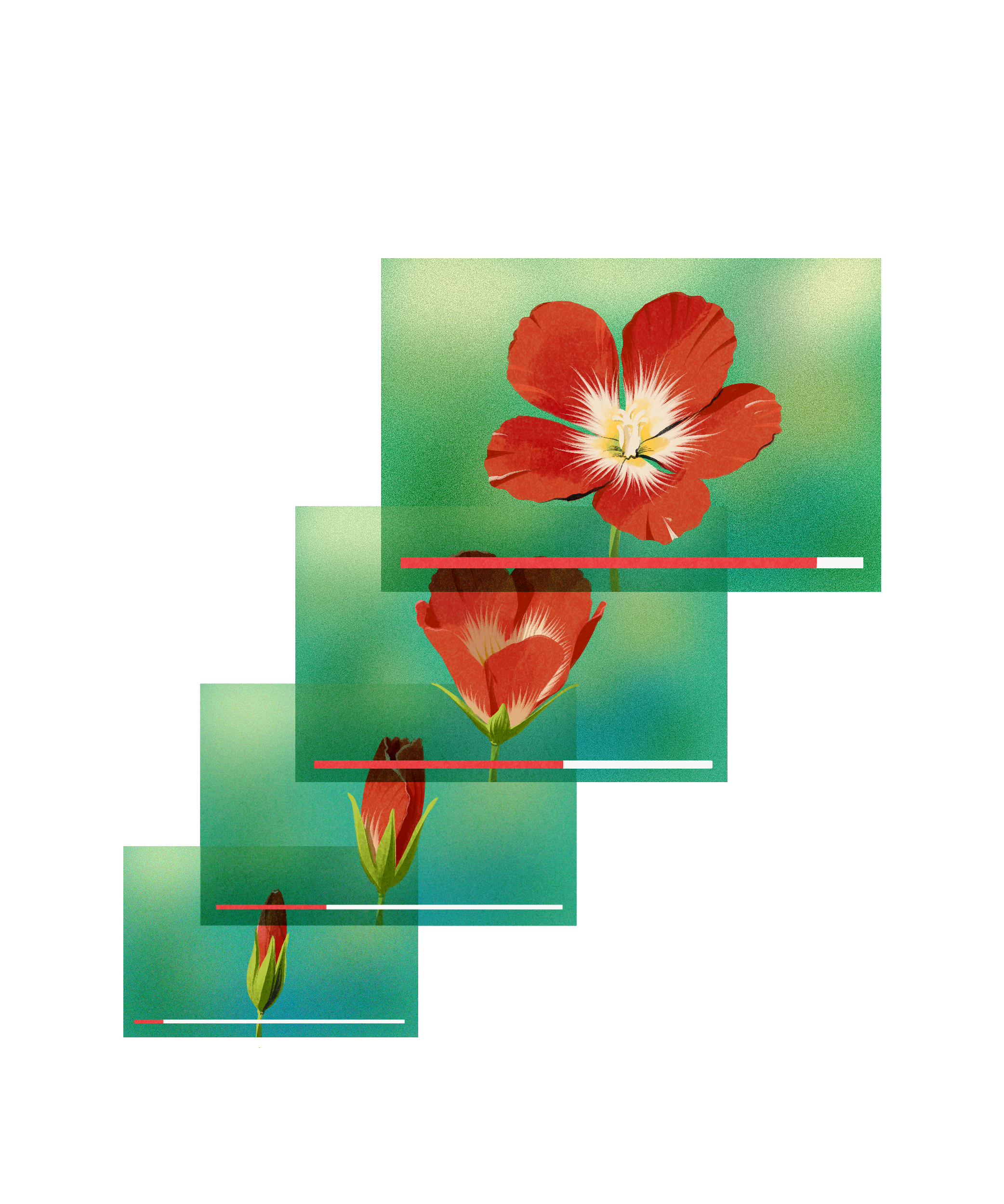
Several psychologists have asserted that hope can be the antidote to today’s chaotic world. When you stay informed about the many ways people are working to create a more just and equitable world, you feel less compelled to doomscroll and more inspired to take action yourself.
Still, some psychologists caution that positive content consumption can become its own form of avoidance – a way of feeling good without fully engaging with the harder realities that still need attention.
According to a Common Sense Media report on grind culture among Gen Z, one in three teens reports feeling pressure "to do good for their community or the world or to be informed about different issues." It’s important to recognize that even the smallest of actions can help lead to meaningful progress, and staying informed and contributing in whatever ways we can is enough. If you feel this pressure, it may be helpful to take a break from the internet and reflect on the positive impact you are already making in your own way.
Filling that time with something meaningful helps too. A study in Nature Medicine finds that people with hobbies have better health, feel happier, and have greater overall life satisfaction than those who don’t. If you don’t have a hobby or something you’re passionate about, the first thing you do every morning might be grab your phone. That’s a gateway to consuming nonstop information about the horrors happening far beyond your bedroom.
Whether it’s gardening or people-watching, there is something for everyone. I have taken on reading non-fiction books as a hobby, and I feel so much happier than when all I did was doomscroll. You can also join hobby groups, which keep you socially connected, reducing loneliness and isolation.
It might be an internet cliche at this point, but it’s true: Spending time in nature can be more beneficial for your well being than even hopescrolling. Go outside and touch the individual blades of grass, smell a flower, admire a hard-working creature. Even in the middle of a major city, you might spot a hard-working squirrel.
Hopescrolling becomes a habit when you take intentional steps. Whether it's watching simple acts of kindness from strangers on TikTok or reading about brilliant solutions to societal problems, it is essential to cultivate and embrace optimism. When we seek out more beautiful options, like with hopescrolling, being informed becomes an artform.
Jon McCormack is a Dublin-born illustrator with experience in editorial, advertising, and publishing. Storytelling and atmosphere are pivotal to his work, with inspiration derived from cinema, queer culture, sequential art, and absurd humor.
Tariq Lawal is a Nigerian-born award-winning youth advocate who co-founded Dudes of These Times, a peer support initiative promoting positive masculinity among American male youth. He also serves as Director of Creative Media and Communications at the LOG OFF Movement, helping young people build healthier digital habits, and sits on the Youth Advisory Councils for The Goodness Web and TikTok's Global Youth Council. Tariq's work reminds us why youth voices are essential: Not because they have all the answers, but because they're asking better questions. He's currently reporting on hopescrolling for our Solutions Journalism Network project, investigating the digital spaces where young people find and share good news.
Our newsletter delivers good news, real solutions, and content that could actually make you feel better.
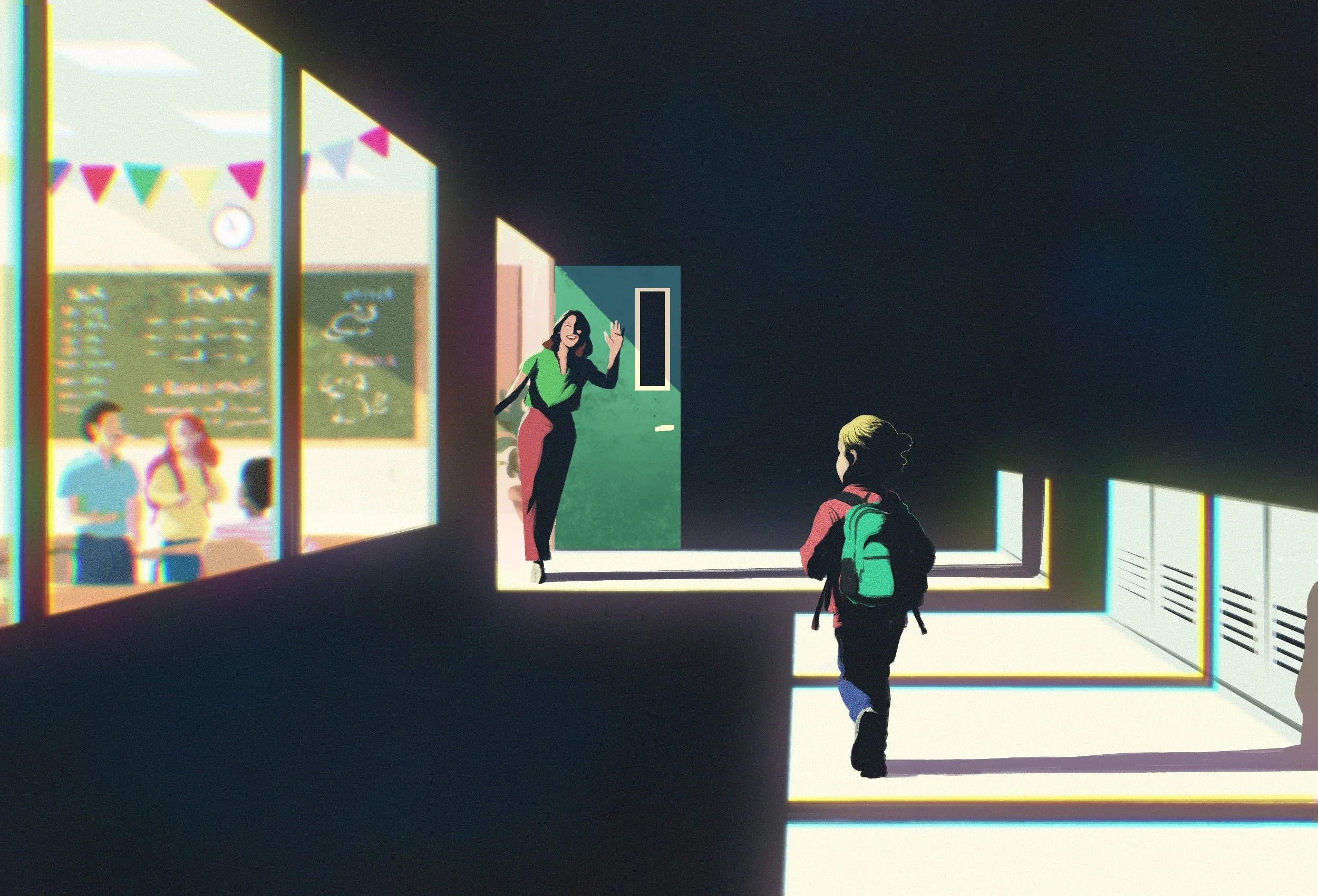
Illustration by Jon McCormack