
Are mental health needs being met in the juvenile justice system?

Illustration by Anna Pavlovetc
By Kate Tortolini
Editor’s note: This article is republished in collaboration with Communities of Hope Civic Media and has been lightly edited for this publication. It is part of the Solutions Journalism Network Media Challenge, reporting on mental health within the juvenile justice and foster care systems. The author attends Roger Williams University, studying journalism in the class of 2029.
Did you know that children in the foster care system are often more likely to be prone to mental health issues such as PTSD, depression, anxiety, and ADHD? This can stem from childhood trauma that led them to the foster care system, neglect, and family separation. Studies have suggested that among the 40% of youth in foster care, up to 80% exhibit a serious behavioral or mental health problem requiring intervention. However, the bottom line is this: many mental health issues fall unaddressed and untreated, and far too often, the children are blamed for their behavior rather than being offered the support and care that is extremely necessary.
The foster care system leaves long-lasting impacts on youth who go through the system in any fashion, affecting their mental health and development in their youth and adult years. For starters, it’s said that being separated from our family is more detrimental to our mental health than living in poverty. Having to leave your home and family members without knowing when you’ll return is confusing and scary, and moving from place to place while in the system affects a child’s health as a whole. According to SOS Children’s Villages, nurturing bonds with family helps children develop mental resilience.
Inconsistent access to mental health services can also worsen emotional challenges. Many children are forced to adapt to constantly changing environments, as they are bounced constantly from home to home. On the other hand, some are returned to their biological family after a short-term placement, only to be reentered into the system. While the goal of foster care is to provide children with a safe and nurturing temporary home until they can be reunited with their biological family or given permanent placement, the overall reality is that more than 20,000 to 23,000 foster care children age out of the system on an annual basis before this can even happen, according to Rezvan Foundation.
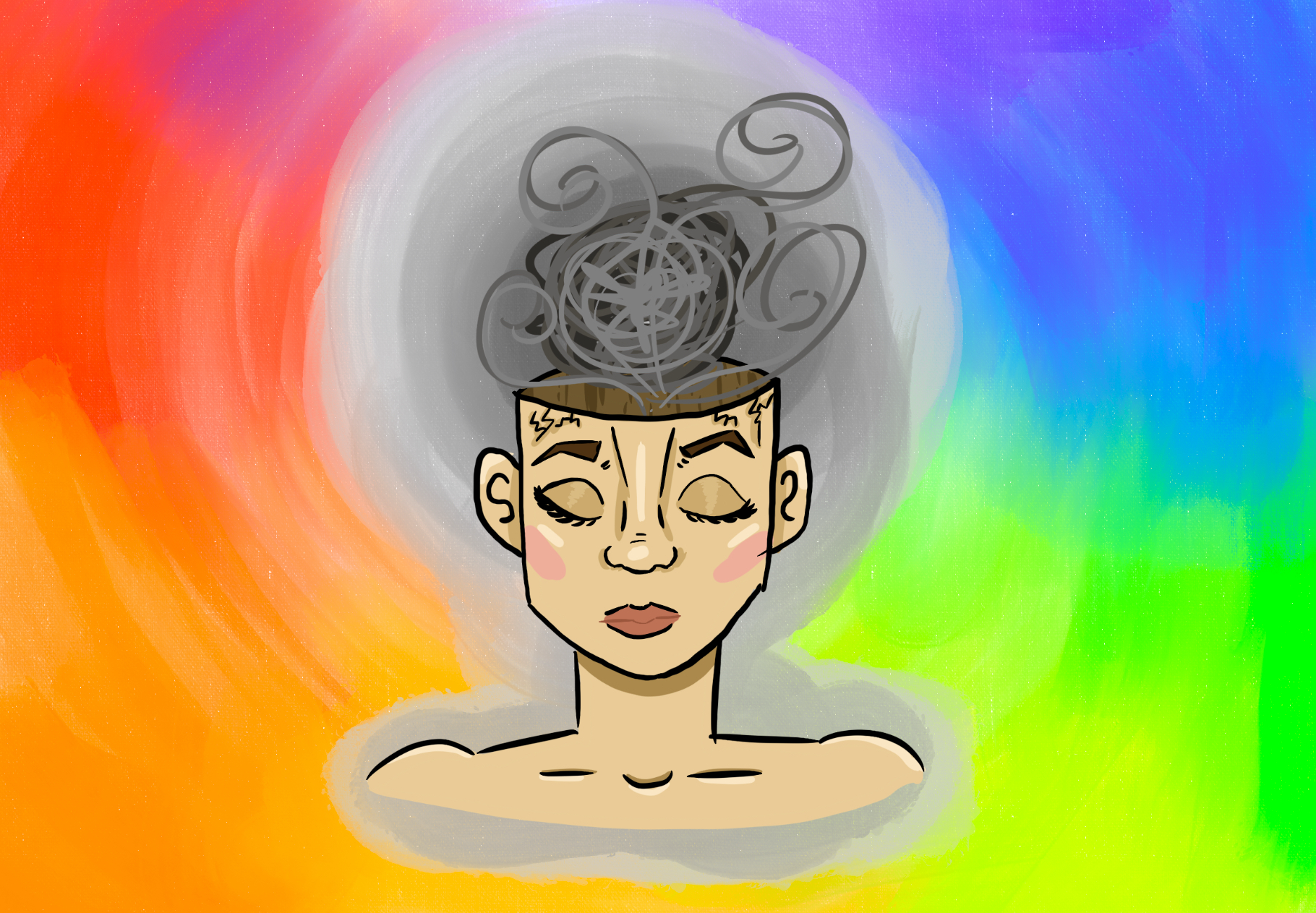
Children in the foster care system face high rates of mental health challenges, often stemming from early trauma and instability. Despite available services, many foster youth go without adequate support, leading to long-term impacts on their development, education and well-being.
Illustration by Gabrielle Iocca for Communities of Hope Civic Media
The foster care system can also affect a child’s development into adulthood. These children also struggle with trust, self-worth, and attachment, which can make it difficult to establish healthy relationships. Growing up in foster care profoundly impacts a child’s life. From a young age, children in foster care experience early narratives that often manifest in later life, which influence their ability to form and maintain relationships, trust others, and regulate their emotions. According to The National Child Traumatic Stress Network, children whose families and homes do not provide consistent safety, comfort, and protection may develop ways of coping that allow them to survive and function day to day. Moreover, the system can negatively impact their development by increasing the risk of emotional and behavioral issues, developmental delays, and academic challenges. This is often due to the instability and trauma experienced not only while in the foster system, but before and after it as well.
Alongside that, children in foster care don’t always get their basic human needs met, which can transcend into adulthood. A child may experience homelessness, housing instability, food insecurity, financial hardships, maltreatment, and neglect. This prevents them from addressing other human needs, such as connectedness, relationships, love, and independence. Lastly, growing up in foster care can influence a child’s sense of identity. They may struggle with questions about their family background, cultural identity, and a sense of belonging. This exploration and self-discovery process is another language for them, and can affect their social interactions and relationships. The National Child Traumatic Stress Network explains that children learn their self-worth and identity from the reactions of others, and those closest to them; therefore, being placed in a home or foster care where there is little support leaves no exposure for the child. Development when you’re growing up is also extremely important in the years that follow, and if there are inconsistencies or a lack of support in that development, it creates long-lasting impacts.
The lack of support that children in the system experience blends into their entire life. Youth leaving foster care suffer more with mental health and behavioral problems than non-fostered youth and are more likely to be incarcerated. According to Georgetown Law’s Poverty Journal, among the foster care youth who receive more than five different placements, approximately 90% get involved with the criminal justice system. Furthermore, the emotional effects of foster care can impact a child’s educational outcomes. They may struggle with concentration, have difficulty forming relationships with their peers and teachers, and experience interruptions in their education due to placement changes. According to the National Foster Youth Institute, about 50% of children growing up in foster care earn a high school diploma.
All of this highlights the importance of mental health services and constant transparency for children in the foster care system. The process for identifying mental health needs of foster care youth begins when a child enters foster care. Within 72 hours, the individual’s mental health needs should be identified. After mental health screenings are completed, the individual should go through the process of developing a plan of care, including a care team and treatment. In the U.S., mental healthcare is provided to foster care youth through Medicaid, with a variety of evidence-based therapies and integrated care models potentially available, including trauma-informed counseling, play therapy, and family therapy. Mental health services and support for foster care youth as a whole are crucial to their development and to their lives.
Kate Tortolini is a reporter for The Capsized Tribune and a writer and reporter for Communities of Hope Civic Media. She attends Roger Williams University, studying Journalism in the class of 2029.
Illustration: Gabrielle Iocca
Copyediting by: Abigail Stark
Website Manager: Molly Stinchfield
your contribution is tax-deductible
KEEP EXPLORING:On TikTok therapy: two sides of a coin

Illustration by Jamie Wignall