
Bring your true self to the tech
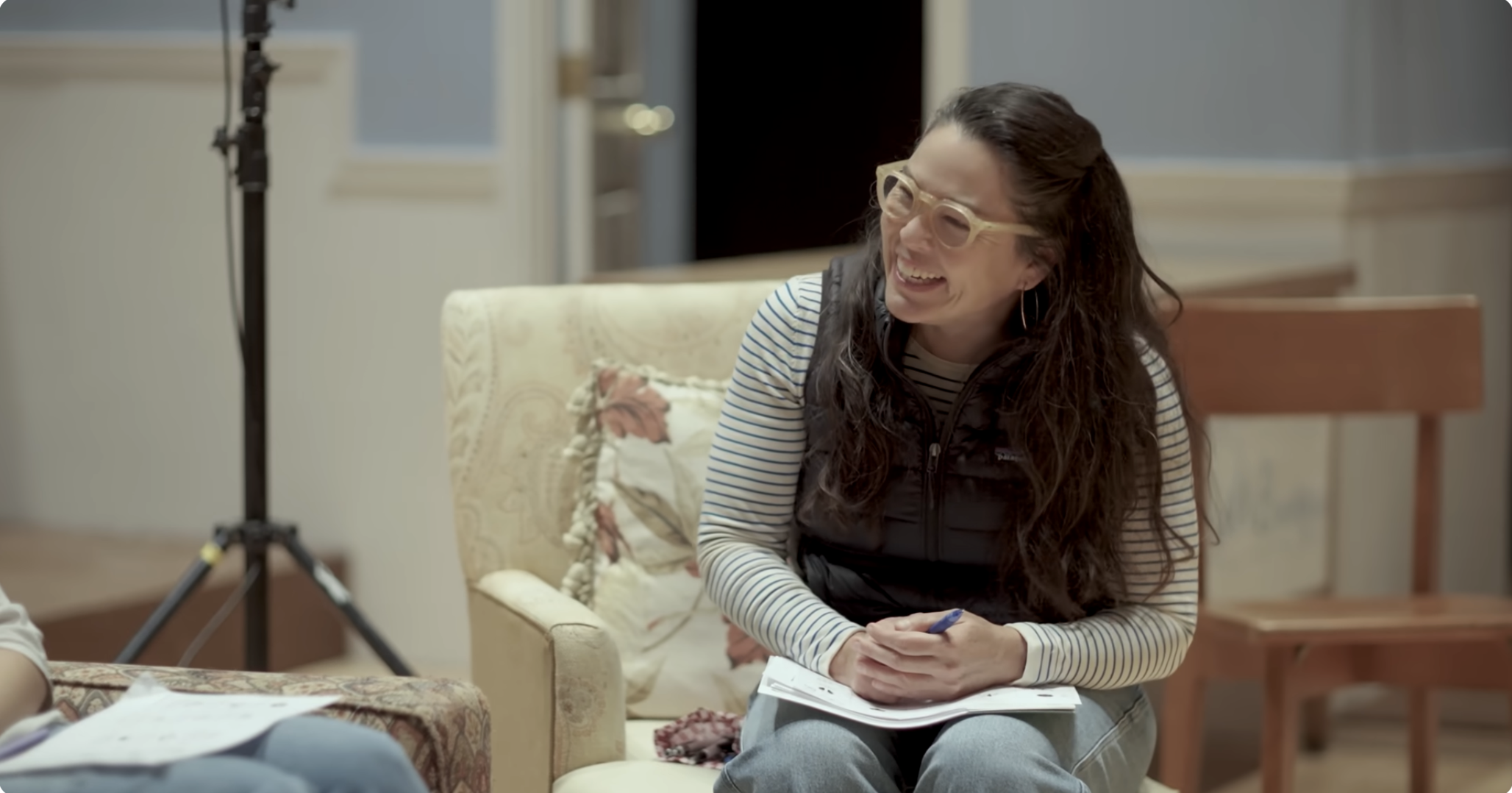
Editor’s Note: This interview was conducted by Medicinal Media and has been lightly edited for length and clarity.
Q: Please introduce yourself and your role. Tell us about digital citizenship.
A: My name is Sue Thotz, and I am the director of outreach at Common Sense Media. Fifteen years ago, I started in Chicago working with Common Sense on a grant to try to support families as they were trying to integrate broadband technology into certain neighborhoods. I had a lot of experience working in public schools doing education technology research. That brought me into the development and testing of some of their digital citizenship curriculum. Digital citizenship is the idea that all of us should be engaged, responsible. We should take care of each other in community when we are in our digital spaces. With all of this technology we have, our students needed an education about how to interact with technology in ways that kept them healthy and safe and in community participating with each other. Now I work with the schools here in Los Angeles, Southern California, New York, Chicago, Omaha, and in the Bay area.
At the beginning, it was very much about safety, and it was very much about privacy and taking care of yourself. It has really evolved to include a lot of mental health issues and also just the impact that technology has on our brains, our physical health, our emotional health, and the ways in which we engage in the world. Now, digital citizenship is much more than just privacy and safety. It's the way that we conduct ourselves in the digital world and how to do that in a way that brings joy and balance and goodness to our lives. And how do we make sure our students are doing that every day when they’re with their phones and technology.
Q: Please tell us about Common Sense Media.
A: What Common Sense Media does is focus on kids and technology. We do that by providing resources to families and educators to try to help them guide students in this world filled with technology. It’s an ever-evolving landscape of everything from the phones that we carry around to the AI that is really starting to impact our lives in very strong ways. We do a lot of research, and also a lot of advocacy on the legislative level, both state and national. The intention of the Common Sense events is really to bring folks together into a room – not only the researchers and educators and the folks who are directly involved in the lives of kids, but also people who are thinking about things on a more national or global scale – to put them all into the same room, to begin to solve some of the problems that we have related to kids and technology…. to bring that awareness and then also create community around these issues.
Q: How do you help people think about their relationship with technology without making them feel judged or guilty?
A: One of the first activities I do with folks is show them an array of different values — hard work, physical health, justice, independence, authenticity — and say, pick your top three. Then I ask: What are your top three habits when you grab your phone? What's the first thing you touch, the second app you open, the third? And then: Do these media habits support the values you chose? Do they help you live out what you think is most important, or do they hinder it? Sometimes people feel very guilty. They admit they scroll way too much. And I ask parents, I ask kids, administrators, legislators. One of the things that I hope they understand is one like we're all in this together. Nobody's perfect. We're all struggling with this. Many of us are. Some people are not and I don't know how, but I want to take some of that guilt off of people and say: There are design tricks out there. Companies spend countless amounts of money to engineer your attention for their app.
We have to be able to support each other and the community and take care of each other and hold each other accountable to live the values that we think are most important. How can we do that? How can we change our habits and how do we help each other live the way that we want to live? So those are some of the exercises that I do with families or with students. It's not about quitting technology. It's about using technology to better our own lives and to make our relationships stronger, make us more creative, and help us understand the world. It is not about shutting everything down. It's about using it well. I'm not there to judge my students. I'm not there to judge my parents. My job is to help you be self-reflective and think about what you want.
I want to try to create that space to help you build understanding and create connections with other people in that room to help support each other and to help build that community. It's a vulnerable exercise to admit that I have this struggle. So when we can all talk together and we can support each other, especially between students or between the teacher and students, it breaks down some of those barriers when it comes to this feeling of guilt and judgment. It brings about an understanding that we need to build these strong human relationships to be able to support each other in this world of technology, when technology is not on our side a lot of times.
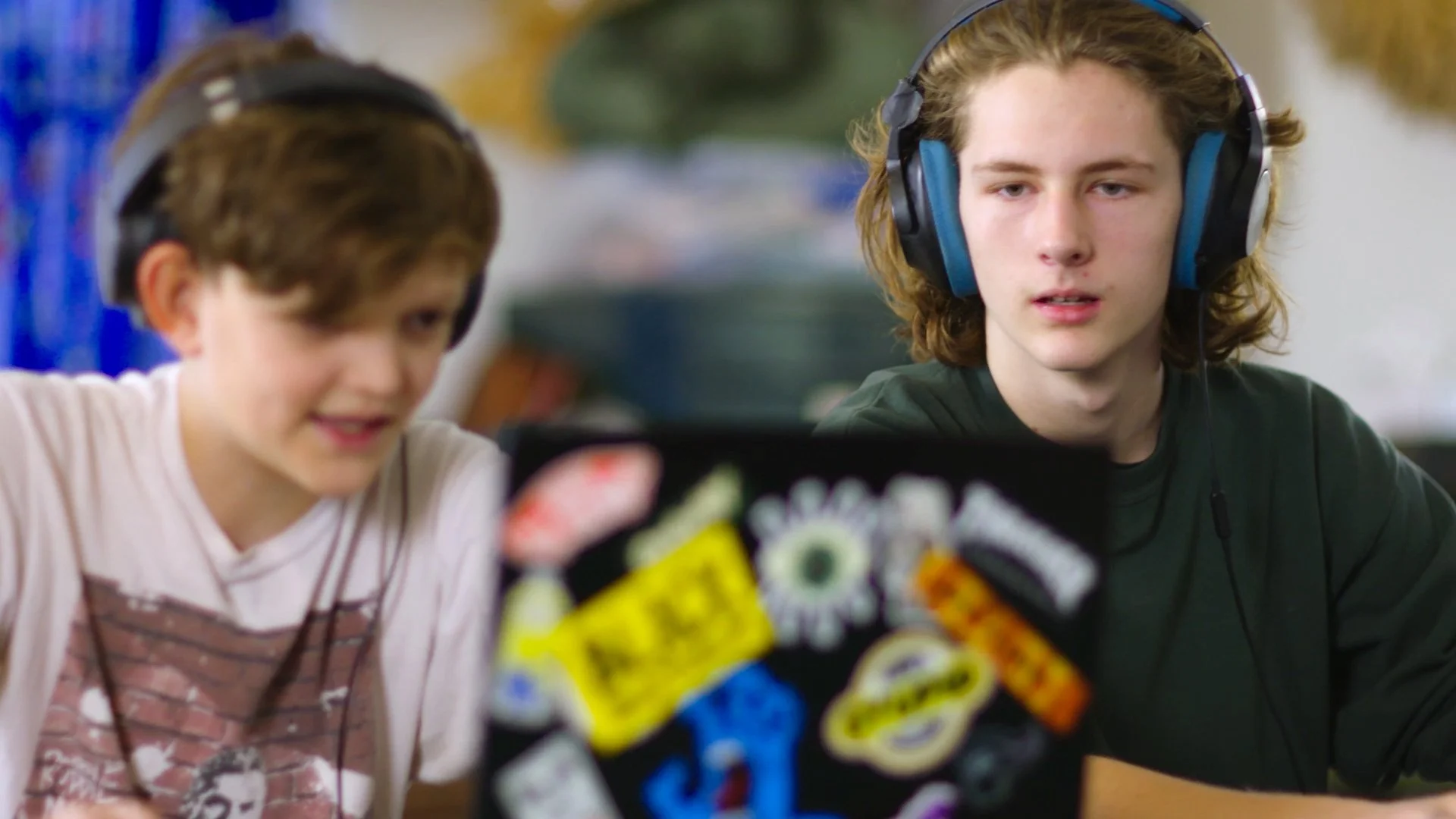
“We need to build these strong human relationships to be able to support each other in this world of technology, when technology is not on our side.”
Q: You're up against a lot of forces. What are some examples of what you’re seeing?
A: I'll talk about AI companions. I think schools are getting a lot of pressure to bring AI tools into the classroom to help our students, in their educational experience. There are many risks associated to young children, and even our high schoolers, our middle schoolers, when it comes to AI use. Not all AI tools are created equally, and there are some that are specifically designed for use with small children for the purpose of learning. And then there are some that are somewhere in between that and this idea of an AI companion. Some of the AI companions are ones that we have done research on … where we have pretended to be a kid. We have asked these AI companions questions and had conversations. What's happening with some of these AI companions is they are putting our kids at risk for not just explicit sexual content, but also we have seen examples of students dying by suicide as a result.
At Common Sense, one of the things that we really prioritize is the human connection. And trying to get students to understand that tech is in service of humans. And when it comes to AI, one of the major concerns is related to AI companions. These companions are intended to mimic human friendship, human relationships, human companionship. And so when it comes to trying to teach kids about the values of human connection, we try to help them understand that these companion bots or these AI companions should not be used to replace the values and the connection we have with those who love us.
AI cannot love you. It can tell you it loves you, but AI does not love you. It does not have the capacity to love you. So some of these AI companions are incredibly dangerous to our kids
because of the explicit sexual content. And specifically as it relates to mental health, we have done research and we found that, when we pretend to be kids, these AI companions have encouraged and described and given instructions on how to die by suicide. Explicit instructions. That’s the creepy part. That’s what’s really creeping me out as a parent or as an educator or anybody who cares about the world. That is what we are trying to get our families to understand and our educators to have conversations about when it comes to AI, how do we help our kids understand the value of humans?
AI will always agree with you, will always tell you that you look gorgeous and will tell you exactly what you want to hear. Those humans in your lives are going to disagree with you. They're going to tell you no, you know, they're going to tell you like it is sometimes. How do you weigh these two types of interaction? And try to make sure that the values of the humans in your lives are the ones that you really connect with and not the sycophantic chat bot that's going to tell you how much it loves you.
Q: What are some of the ways Common Sense tries to provide guidance?
A: We almost call it nutritional labeling, right? We equate it to nutritional labeling where, you know, you got to eat. Our kids are going to engage in media and technology. So how do you steer them toward the good stuff – the things that are going to enrich their lives, help them understand the world that they live in, you know, and bring them close to the people that they care about? So we try to provide resources that help families make decisions when it comes to the kinds of media and technology that they're bringing into the lives of their kids.
Q: Tell us about ways you’re helping build connection, both virtually and face-to-face?
A: We have a new curriculum and much of it is based on games, on face-to-face interaction. Building that capacity for relationships and connection between people is what we're trying to do. Starting at Kindergarten all the way through 12th grade. We need support in this age full of technology where everybody is very virtual in a lot of ways. We sometimes need a little push, not just as kids, but sometimes as adults to reconnect with each other in the same physical space. We've been playing with these fortune tellers: Origami fortune tellers ask questions to build curiosity about each other. We’re trying to place value on what it is to be in the same room together and look somebody in the face and be comfortable having a conversation is part of what we do.
A lot of the content that we have has to be scalable. It has to be available for anybody to access, because accessibility and scalability are an important part of our mission. To be able to provide anybody with this content at any time, for free. You can use that content to build relationships with your own family, and the people you know and love and that you're in community with.
Q: What's the most surprising thing kids ask you about?
A: When we did our AI companions research, the thing that surprised me was that over half of kids had already experienced AI companions. I don't think I realized as an adult how popular a personal AI companion is. Not just using ChatGPT to ask questions like what should I cook tonight for dinner? Or how do I do this math problem? But engaging in a relationship. Acting as if this is a friend or boyfriend. What was surprising to me was the ubiquity of AI companions because of the availability. It's in your Instagram. It's in your Snapchat. It's everywhere and I don't think adults necessarily realize that.
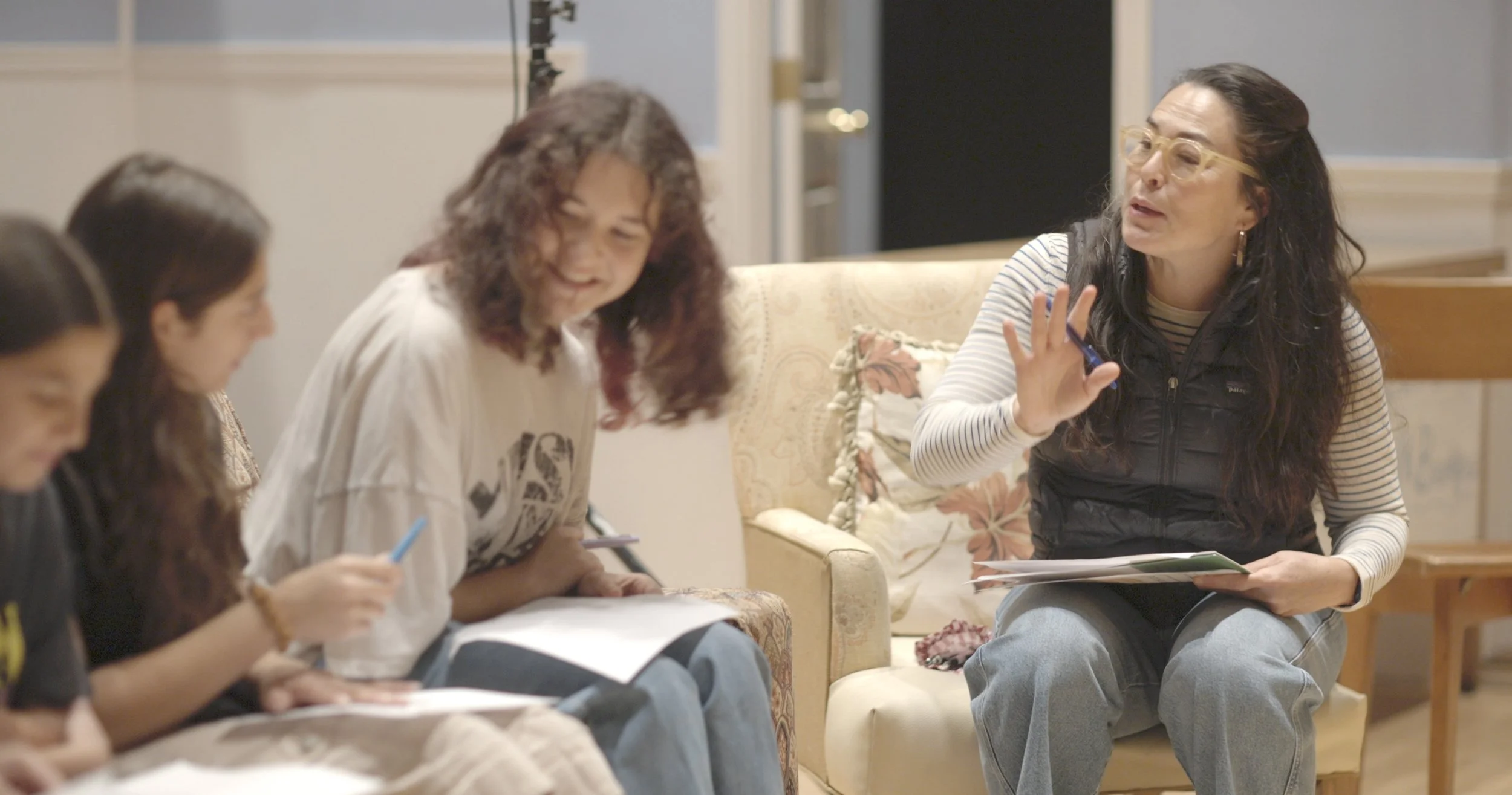
“AI cannot love you. It can tell you it loves you, but it does not love you. It does not have the capacity to love you.”
Q: It’s a constantly evolving situation, so how is Common Sense shifting things culturally?
A: Common Sense not only provides these ratings and reviews of books, television shows, movies, websites, and video games and all of these things that we're known for. But through our research, and through the information that we're providing to educators and through the advice we give to parents, we're trying to change the culture.
We're trying to really help people understand the ways that media and technology shape us. We, as a human society, need to have a strong understanding of how we can use this content and use this technology to our advantage. If somebody is not advocating on behalf of kids and putting guardrails and legislation up to make sure that the companies don't have their way with all of us … we need to be a strong advocate for the culture and for what it is that we're prioritizing as values of our society. We need to have places and spaces where we are actively engaged in these conversations so that we, as the adults, and the kids can all be mindful creators of the culture that we’re part of. It's not just about letting the scroll control what we're thinking about, right? It is about having conversations with your neighbors and your family so that we are in charge of our own values and the ways that we live in our habits.
I often do not have the opportunity to go out and actually see students using these lessons or engaging in these conversations or practicing these habits, but when I do it's so uplifting and hopeful. A lot of what I talk about when it comes to AI or technology is kind of negative. But when I see students and the thoughtfulness and creativity that they have – and this desire for human connection they all desire – we just need to give them the space and time to do it. We can't make assumptions that our students want to be zombies around this technology or that they're not thoughtful. They are. But we have to, as the adults in the space, give them the time and the space and ask the questions and engage them in order to be able to make that happen.
It's heartbreaking to me that we don't have more of these conversations. At schools we prioritize other things and it's not always the emotional and mental and physical well-being of our kids. It's not that they don't want it. Parents want it, kids want it. But how do we make the time and the space to make that happen? That's something you should know. They enjoy it. They really enjoy connecting with each other.
Common Sense Media is a nonprofit that puts kids' safety and well-being first in the digital era. “We protect and prepare kids for an always-on world.” Sue Thotz is an expert in the Common Sense Educationdigital citizenship curriculum.
your contribution is tax-deductible
KEEP EXPLORING: